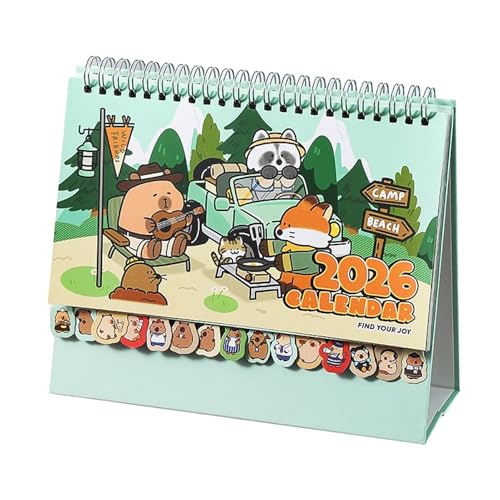
how to create a personalised organising system for beginners
In today's fast-paced world, staying organised can feel like a monumental task, especially for beginners. However, creating a personalised organising system that works for you can drastically improve your productivity and reduce stress. In 2026, it is easier than ever to design a system that reflects your unique style and needs. Here are some practical tips to get you started.
Identify Your Needs
The first step in designing your organising system is to identify your specific needs. Take a moment to reflect on your daily routines and the areas where you feel disorganised. Is it your workspace, your home, or your digital files that need attention? Jot down your thoughts to clarify what you want to achieve. Knowing whether you need a system for managing time, tasks or physical items will shape the approach you take.
Choose Your Tools
Once you know what you need, it is time to select the tools that will help you stay organised. You can choose from paper planners, digital apps, or a combination of both. Paper planners offer a tactile experience that many find helpful for remembering tasks. In contrast, digital tools like Trello, Notion or Todoist provide flexibility and the ability to access your organisation system from anywhere. Explore different options until you find the tools that resonate with you and your organisational style.
People Also Look For:
- Smart Planner Pro – Undated Daily Planner – Small A5 – Achieve Goals & Increase Productivity – Weekly,...
- Clever Fox Planner Schedule – Undated Weekly & Monthly Life Planner with Time Slots, Appointment Book & Daily Organizer, A5...
- Vicloon A5 Zipper Binder Pockets, 10Pcs Plastic Binder Zipper Folders Loose Leaf Bags with 2 Sheets Removable Label Stickers Money...
- Stocking Fillers Kids - 2026 Kids Joke Daily Desk Calendar – Tear-Off Funny Jokes for Children –...
- A Pun A Day Calendar 2026, 2026 punny1 Motivational Desk Calendar, Perpetual Quotes Planner For Women Men Dad Teacher Apartment Wo...
Create a Centralised Location
To keep your system organised, establish a centralised location where all your organising tools converge. This could be a dedicated drawer, a digital folder, or a specific area on your desk. Having a single area where everything is stored makes it easier to locate your items and helps to prevent clutter from accumulating in other spaces.
Establish Categories
Categorising your tasks, projects, or items allows you to streamline your organisation system. Create categories that make sense to you, such as work tasks, personal errands, and household responsibilities. For physical items, consider categories like stationery, documents or electronics. This will help you to easily sort, find, and prioritise the things you need to manage.
Set Up a Routine
To maintain your personalised organising system, establish a routine that incorporates regular check-ins and updates. Dedicate a specific time each week for organisation. During this time, review your tasks and projects. Adjust your priorities and move any incomplete items to the next week. Regularly updating your system ensures it remains relevant and functional.
Incorporate Visual Cues
Visual organisation can enhance your system significantly. Use colour coding for different categories or priorities to quickly identify tasks at a glance. Sticky notes, highlighters, and colour-coded labels can serve as effective visual cues. This simple tweak can improve your workflow and make your system more intuitive.
Embrace Flexibility
As you start to use your personalised organising system, remember that it is a work in progress. Life is unpredictable, and your needs may change over time. Be open to adjusting your system as necessary. If a particular tool or method isn’t working, do not hesitate to experiment with alternatives until you find what suits you best.
Celebrate Your Progress
Lastly, celebrate your progress. Acknowledge the small victories as you stick to your organisation system. Create a reward system for yourself to stay motivated. This could be as simple as enjoying a favourite treat or a leisurely weekend activity after successfully maintaining your organisation for a month. Recognising your efforts will keep you engaged and inspired to continue improving your system.